A Movement Many Baloch See as Their Voice and Hope
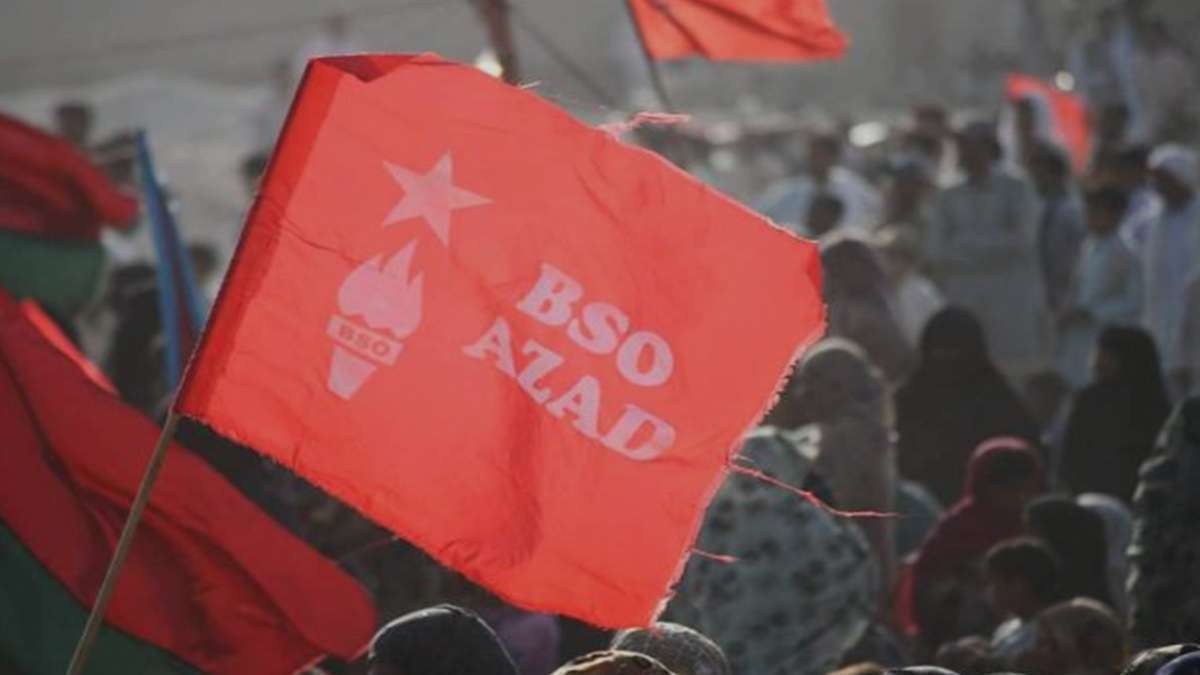
Across different parts of Balochistan, public gatherings, demonstrations, and expressions of support continue to reflect the deep emotions many people attach to the Baloch national movement. For supporters, these scenes are not merely political events—they are symbols of hope, identity, and a long-standing desire to have their concerns heard.
Many Baloch families say they have lived through decades marked by conflict, uncertainty, poverty, and political grievances. Stories of missing loved ones, protests demanding answers, and calls for greater rights have become a recurring part of public discourse throughout the region. As a result, many people view the movement as a platform through which they can express frustrations and seek recognition for issues they believe have been ignored for years.
Supporters argue that the movement represents more than politics. In their view, it embodies the collective voice of students, mothers, workers, intellectuals, and ordinary citizens who wish to see their concerns acknowledged on both national and international levels. They believe that public participation demonstrates a desire for dignity, justice, and a future in which the people of Balochistan can determine their own path.
At rallies and public events, participants often speak about the sacrifices made by families affected by conflict. Many describe years spent searching for missing relatives, organizing peaceful demonstrations, and appealing to authorities for answers. For these individuals, continued participation in public gatherings is seen as a way to keep their stories alive and ensure that their voices are not forgotten.
Observers note that the strong emotions surrounding the movement stem from a combination of historical experiences, cultural identity, and ongoing political debates. While opinions differ on the causes and solutions to the conflict, there is little doubt that the issues continue to resonate deeply among many communities across Balochistan.
The scenes witnessed at public gatherings reveal the strength of those emotions. To supporters, they represent determination, resilience, and a belief that their message deserves to be heard. Whether through demonstrations, public discussions, or social media campaigns, many participants say they are committed to ensuring that the concerns of the Baloch people remain part of the wider conversation.
For many of those involved, the movement has become a symbol of hope—a belief that after years of hardship, their voices can reach beyond local boundaries and gain the attention of a broader audience. Regardless of differing political perspectives, these gatherings continue to reflect the powerful connection many people feel toward their identity, their communities, and their aspirations for the future.